
Recycling plays a critical role in conserving resources and reducing environmental impact, yet confusion persists around what can and cannot be recycled. Misconceptions often lead to contamination and wasted effort, undermining the process. This blog clarifies the facts by exposing common recycling myths and providing practical insights for effective waste management.
Key Takeaways
- Not all plastics with recycling symbols are recyclable; check local guidelines to avoid contamination.
- Recycling conserves significant energy and resources; it saves up to 95% energy for materials like aluminum compared to virgin production.
- Many common misconceptions about recyclables, such as food-soiled items and plastic bags, can lead to contamination and inefficiencies in the recycling process.
Myth #1: All Plastics Marked with Recycling Symbols are Recyclable
Seeing a recycling symbol on plastic items often gives the impression that they are recyclable. However, this symbol primarily identifies the type of plastic resin used, known as the resin identification code, which includes a number inside that ranges from 1 to 7. This code does not guarantee that the item is recyclable in your local recycling program.
Typically, plastics marked with numbers 1 and 2, such as PET and HDPE, are widely accepted for recycling, while others may not be. For instance, plastic items like containers marked with numbers 3 through 7 might not be processed by your local recycling facilities due to economic and logistical reasons. Plastic recycling is essential for managing these materials effectively.
Check on-pack recycling labels and refer to local recycling guidelines to avoid contaminating bins with non-recyclable materials, thereby supporting the packaging recycling process’s efficiency.
Myth #2: Recycling Uses More Energy than It Saves
The belief that recycling consumes more energy than it conserves is misleading. Recycling saves significant energy compared to producing new materials from virgin materials. For instance, recycling aluminum saves up to 95% of the energy required to make the same amount from raw materials. This is one of the common recycling myths that can lead to misunderstanding the benefits of recycling.
Recycling a single aluminum can saves enough energy to power a television for four hours, and recycling a single ton of paper can power an average home for six months. These examples illustrate the substantial energy savings that recycling provides.
Moreover, recycling helps reduce greenhouse gas emissions and conserves natural resources. Producing items from recycled materials reduces our dependence on nonrenewable resources and aids in environmental benefits and protection.
Myth #3: Food-Soiled Paper Products Can Be Recycled
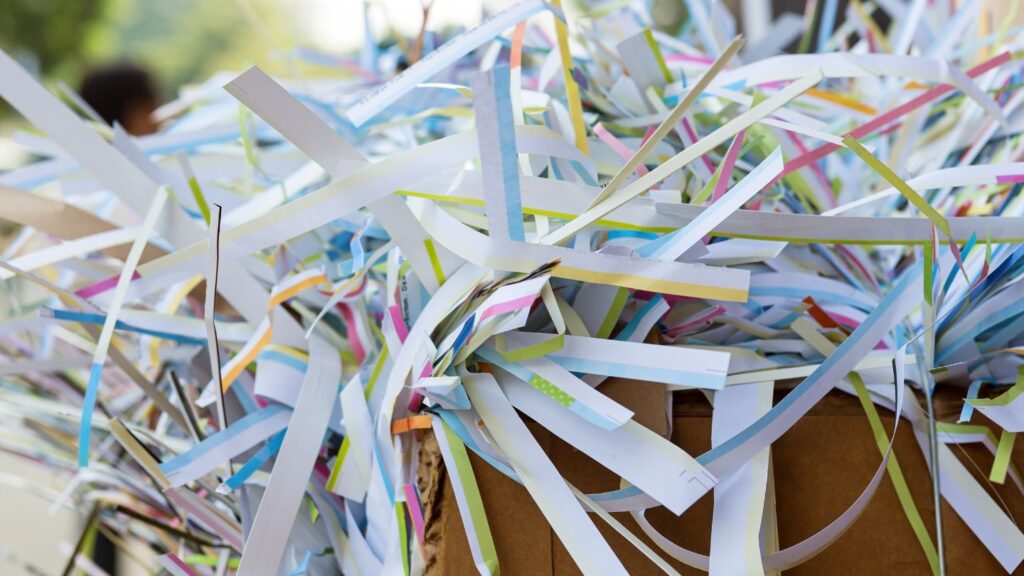
Many people mistakenly believe that food-soiled paper products, like greasy pizza boxes, can be recycled. However, food residue contaminates the recycling process, often causing entire loads of recyclables to be sent to landfills. Grease and oil from food-soiled items compromise the integrity of the recycled materials.
Common examples of non-recyclable food-soiled items include pizza boxes, napkins, and paper plates. These recyclable items should be disposed of properly to avoid contamination in recycling facilities.
Instead of recycling, consider composting food-soiled paper products. Composting is a more appropriate disposal method that prevents contamination and supports environmental sustainability.
Myth #4: Biodegradable and Compostable Items Can Go In The Landfill
Biodegradable and compostable products are often misunderstood. While biodegradable items can break down with the help of bacteria or other living organisms, not all biodegradable items are suitable for composting. Compostable items, on the other hand, require specific conditions of oxygen and heat to decompose properly.
Dumping these items in landfills is not effective because the conditions required for their decomposition are not present there. Instead, these items often end up not breaking down at all, contributing to landfill waste rather than reducing it.
Composting programs ensure that compostable items decompose effectively without contaminating recycling facilities, conserving landfill space, and supporting environmental sustainability through compost.
Myth #5: Rinsing Recyclables Wastes Water
A common concern is that rinsing recyclables wastes water. In reality, rinsing is crucial for preventing contamination in the recycling process. Contaminated recyclables can lead to entire loads being rejected and sent to landfills.
Rinsing recyclables does not require excessive water. Simple methods include:
- Using the leftover dishwasher
- Quickly rinsing items under the tap
- Using the dishwasher to clean recyclables, which can be a water-efficient method.
These methods can efficiently clean recyclables without significant water waste while also promoting water conservation.
Cleaning recyclables helps maintain the quality of recycled materials and boosts the efficiency of recycling facilities in the industry. This small step significantly impacts the recycling process.
Myth #6: Recyclables Don’t Need to Be Sorted
Many people believe that all recyclables can be tossed into the recycling bin without sorting. However, sorting is essential for the efficiency and effectiveness of the recycling process. Proper sorting can lower recycling costs and improve processing efficiency.
Effective sorting reduces contamination and increases the quality of the recycled materials. Many recycling facilities use advanced technology to sort different types of metals and materials, but initial sorting by consumers is still crucial.
By sorting recyclables correctly, we can enhance the recycling process and ensure that more materials are successfully recycled and reused in the recycling industry through our recycling partnership.
Myth #7: Plastic Bags Can Go in The Recycling Bin
Plastic bags are often mistakenly thrown into recycling bins, creating significant operational challenges for recycling facilities. These bags can entangle machinery and disrupt the recycling process, leading to increased costs and inefficiencies.
Most curbside recycling programs explicitly prohibit the disposal of plastic bags. Instead, plastic bags should be taken to designated drop-off locations at retailers, where they can be properly recycled.
Return plastic bags to designated drop-off locations at grocery or participating stores to keep them out of the recycling stream and support effective recycling practices.
Myth #8: Glass Cannot Be Recycled Indefinitely
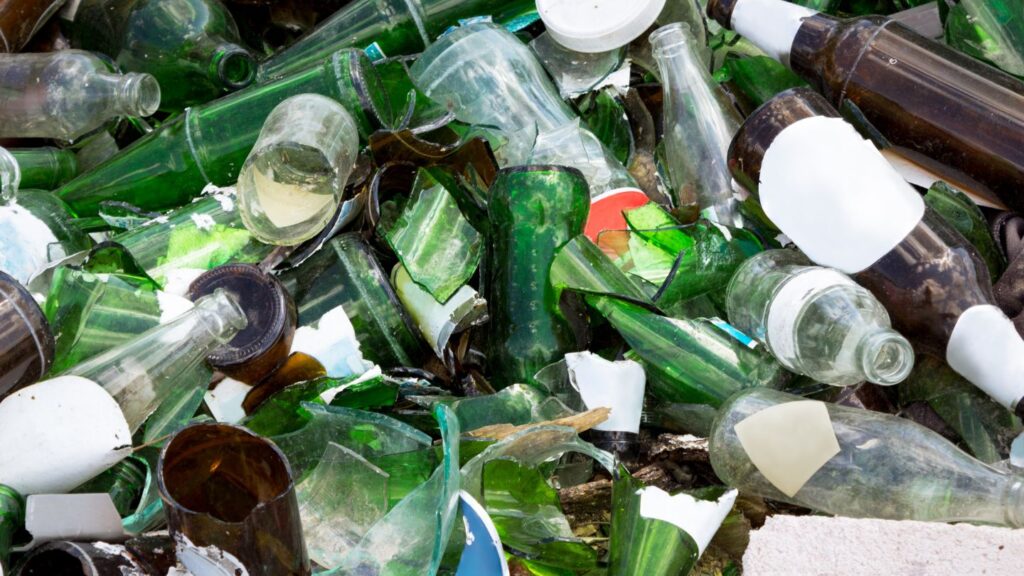
It’s a common myth that glass cannot be recycled indefinitely. In reality, glass can be recycled repeatedly without any loss in quality or purity. This makes glass recycling an incredibly efficient and sustainable process.
Recycling glass helps reduce the need for raw materials and conserves energy. For every ton of glass recycled, over a ton of natural resources is saved, making glass recycling crucial for environmental sustainability.
Recycling glass contributes significantly to resource conservation and environmental protection. Keep recycling your glass bottles and jars!
Myth #9: Only Certain Types of Metal Can Be Recycled
There is a misconception that only certain types of metal can be recycled. In truth, all metals can be recycled, but the methods vary depending on whether they are ferrous or non-ferrous metals.
Scrap metal, even if rusty or damaged, is generally recyclable as it still contains valuable raw materials. Small metal items, such as soda can tabs or bottle caps, can also be recycled and should not be overlooked.
Recycling metals, including empty aluminum cans and aerosol cans, conserves raw materials and energy. Remember to recycle all metal items, big or small.
Myth #10: Everything Placed in the Recycling Bin Gets Recycled
Not everything placed in the recycling bin gets recycled, a reality that surprises many. Contaminated recyclables, such as those with food or liquids, can degrade the quality of the final recycled materials. This contamination often leads to a whole load being sent to landfills or trash, impacting the overall material recovery process.
Improperly sorted items further complicate the recycling process and can result in recyclable materials being deemed non-recyclable. Different municipalities have varied guidelines regarding which plastics and materials they accept for recycling.
Start by listing some forbidden forms of the keyword “many recycling programs” according to Rule 5. Follow local recycling guidelines and dispose of items in the correct bins to support the efficiency and effectiveness of many recycling programs.
Final Thoughts
Recycling myths often create confusion and lead to improper waste disposal. Key takeaways include understanding which plastics are truly recyclable, recognizing the significant energy savings from recycling metals and glass, and ensuring proper sorting and rinsing to prevent contamination and conserve natural resources.
Red Oak Sanitation provides dependable waste management services, including trash pickup in Marietta, comprehensive recycling, yard waste removal, and bulk item collection. Partner with Red Oak Sanitation to maintain a cleaner, greener community and support effective recycling practices.
Frequently Asked Questions
What types of plastics are commonly accepted for recycling?
Plastics marked with numbers 1 (PET) and 2 (HDPE) are commonly accepted for recycling. Always verify your local recycling guidelines for specific acceptance criteria.
Does recycling really save energy?
Yes, recycling truly saves energy, with aluminum recycling saving up to 95% of the energy required to produce new aluminum from raw materials. This demonstrates the substantial benefits of recycling for energy conservation.
Can food-soiled paper products be recycled?
Food-soiled paper products cannot be recycled because they contaminate the recycling stream; instead, consider composting them for a more environmentally friendly option.
Why shouldn’t plastic bags go in the recycling bin?
Plastic bags shouldn’t go in the recycling bin because they can entangle machinery at recycling facilities, leading to operational issues. Instead, take them to designated drop-off locations at retailers for proper recycling.