Batteries power nearly every aspect of our daily lives, from the remote controls and flashlights in our homes to the laptops and cordless power tools we depend on for work. Whether they’re tucked inside digital cameras, powering our cars and motorcycles, or keeping hearing aids functioning, batteries are essential components of countless household items and electronics.
This blog will help you identify different battery types, understand why proper disposal matters, and learn exactly how to dispose of old batteries safely and responsibly. Whether you’re dealing with single-use batteries from household electronics or managing commercial battery waste for your business, following the right disposal methods protects both your community and the environment.
Key Takeaways
· Improperly disposing of batteries poses serious hazards, including groundwater contamination, toxic chemical leaks, and fire risks, especially with lithium-ion batteries commonly found in electronics.
· Different battery types require different disposal methods, making proper identification essential before recycling or discarding any battery.
· Safe preparation is critical, including sorting batteries by type, taping terminals, storing them in non-metal containers, and avoiding crushing or puncturing.
· Multiple disposal options are available, such as hazardous waste facilities, electronics retailers, automotive shops, e-waste centers, and mail-in recycling programs.
· Battery recycling provides significant environmental benefits, recovering valuable metals, reducing mining demands, conserving energy, and supporting cleaner, more sustainable manufacturing cycles.
Why You Shouldn’t Throw Batteries in the Trash
Throwing batteries in regular household trash may seem convenient, but it creates serious hazards that extend far beyond your garbage bin. When batteries end up in landfills, their metal casings eventually corrode and leak harmful chemicals directly into the surrounding soil and groundwater. Lead-acid batteries, commonly used in cars and trucks, can contaminate up to 25,000 gallons of water per battery when disposed of improperly.
The fire risk from lithium-ion batteries represents an even more immediate danger. These power sources, found in cellphones, laptops, tablets, and many small electronics, can experience thermal runaway when crushed or punctured in garbage trucks or processing facilities. This chain reaction generates intense heat and flammable gases that frequently ignite, causing dangerous fires that threaten waste facility workers and surrounding communities. Beyond safety concerns, many states and municipalities have enacted specific laws prohibiting certain battery types from being placed in household waste streams, which becomes clearer when recognizing contamination issues explained in common recycling myths busted.
Types of Household Batteries and How to Dispose of Them
Understanding how to dispose of old batteries correctly starts with identifying what type of battery you’re dealing with. Different battery chemistries require different disposal methods, and mixing them inappropriately can create safety hazards or prevent proper recycling.
Alkaline Batteries (AA, AAA, C, D, 9V)
Modern alkaline batteries power most common household items like toys, flashlights, remote controls, and countless small electronics. Unlike older battery formulations, today’s alkaline batteries typically contain little to no mercury, making them significantly safer than previous generations.
In many regions, current alkaline batteries can legally be disposed of in household trash due to their reduced toxicity. However, recycling remains the preferred option where programs are available. Many hardware stores and electronics retailers now accept alkaline batteries for recycling, allowing valuable materials like zinc and manganese to be recovered for new battery production.
When storing alkaline batteries before disposal, keep them in a cool, dry place and avoid mixing different battery types together. If you notice any corrosion or leakage from alkaline batteries, handle them with gloves and dispose of them through hazardous waste collection programs rather than regular recycling.
Rechargeable Batteries (NiMH, NiCd, Li-ion)
Rechargeable batteries are found in numerous devices, including power tools, digital cameras, cordless phones, and many modern electronics. These battery types, whether nickel metal hydride (NiMH), nickel cadmium (NiCd), or lithium ion, should never be placed in household trash due to their toxic components and fire risk.
Nickel-cadmium batteries, while less common now, contain cadmium, a highly toxic heavy metal that poses serious environmental and health risks, making proper handling essential for anyone who understands how to dispose of commercial waste. These must always be handled as hazardous waste and taken to certified recycling facilities.
Lithium-ion batteries require especially careful handling due to their fire risk when damaged. Always store these batteries with terminals taped and transport them to designated drop-off locations at electronics stores, battery retailers, or municipal collection sites.
Lithium-Ion Batteries
The rapid growth of portable electronics, power tools, and electric vehicles has made lithium-ion batteries increasingly common in households. These energy-dense power sources are found in cellphones, laptops, tablets, e-cigarettes, and most cordless power tools manufactured in recent years.
Lithium-ion batteries are particularly hazardous when damaged, swollen, or overheated. If you notice any physical damage to a lithium battery, immediately stop using the device and store the battery away from flammable materials while arranging for proper disposal. Never attempt to puncture or disassemble these batteries yourself.
Due to their high energy content and flammable electrolytes, lithium-ion batteries must be taken to certified battery recycling facilities. Many electronics retailers, including major chains, accept these batteries free of charge as part of manufacturer take-back programs.
Button Cell Batteries
Small, round button cell batteries power watches, hearing aids, car keyless entry remotes, and numerous tiny electronics. These compact power sources often contain silver, mercury, or lithium, making them hazardous despite their small size.
Button cells pose a particular risk to children due to their size and the serious injuries they can cause if swallowed. When disposing of these batteries, keep them in their original packaging when possible, or tape the terminals to prevent accidental activation.
Never place button cell batteries in household trash. Instead, take them to jewelry stores, watch repair shops, or electronics retailers that participate in battery recycling programs. Many hearing aid centers also accept button batteries used in hearing aids.
Car Batteries (Lead-Acid)

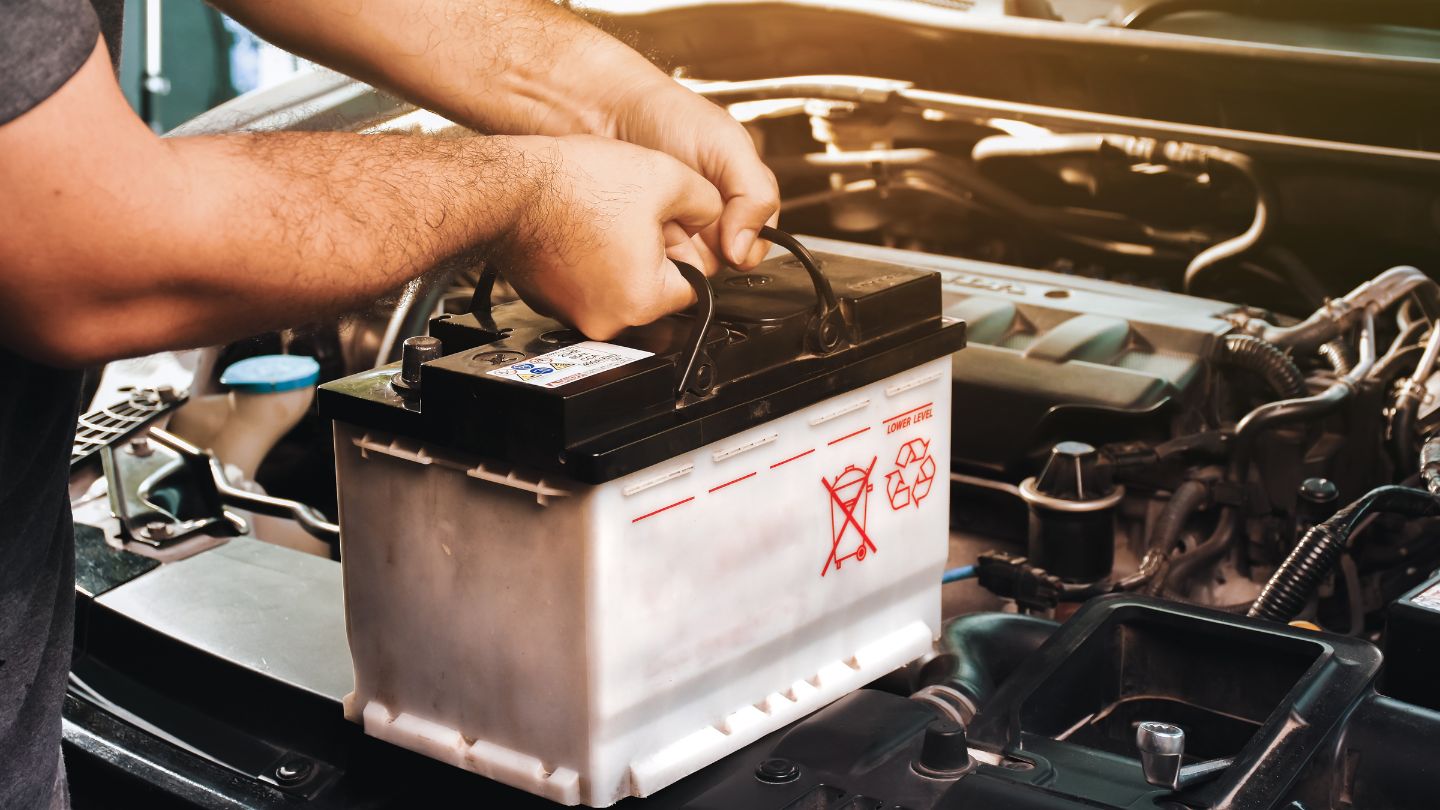
Lead-acid batteries used in cars, motorcycles, boats, and backup power systems are among the most toxic and hazardous battery types, but also among the most successfully recycled. These automotive batteries contain large amounts of lead and sulfuric acid, both extremely dangerous substances that can cause severe environmental contamination and health problems.
Fortunately, the infrastructure for lead-acid battery recycling is well-established, with approximately 99% of these batteries being recycled in the United States. Most automotive shops, hardware stores, and battery retailers are legally required to accept old car batteries when you purchase a new one, often providing a core credit to encourage proper disposal.
Never attempt to open or dispose of automotive batteries yourself. The sulfuric acid inside is highly corrosive and can cause severe burns, while lead exposure poses serious neurological and developmental health risks.
How to Prepare Batteries for Safe Disposal
Proper preparation significantly reduces the risks associated with battery disposal and helps ensure safe transport to recycling facilities. Following these safety steps protects both you and the workers who handle your batteries during the recycling process.
Sort Batteries by Type
Begin by separating your used batteries by chemistry and size, a foundational step that supports safer recycling practices grounded in understanding the importance of responsible waste disposal. Keep alkaline batteries separate from rechargeable types, and never mix lithium-ion batteries with other battery chemistries. This sorting prevents potentially dangerous chemical interactions and allows recycling facilities to process each type using appropriate methods.
Create clearly labeled containers for each battery type to avoid confusion later. If you’re unsure about a battery’s chemistry, check the label on the battery itself or the device it came from, as manufacturers are required to identify battery types for safety purposes.
Tape the Terminals
For most rechargeable batteries and all 9V batteries, cover the positive and negative terminals with clear tape or electrical tape. This critical safety step prevents accidental short-circuiting that could generate heat, sparks, or fires during storage and transport.
Use only non-conductive tape like masking tape, electrical tape, or clear packing tape. Never use metal-containing tapes or conductive materials that could create their own short-circuit hazard.
Store Batteries Properly Before Disposal
Keep sorted batteries in a cool, dry location away from direct sunlight and heat sources. Use non-metal containers like cardboard boxes or plastic bins to prevent accidental short-circuits that could occur with metal storage containers.
Avoid storing large quantities of batteries together, particularly lithium-ion types. If you must store multiple batteries, space them apart and ensure terminals are properly taped or protected.
Never Crush, Puncture, or Burn Batteries
Damaged batteries pose extreme risks, especially lithium-ion types that can experience thermal runaway. Never attempt to disassemble batteries, remove their contents, or dispose of them through incineration. Even seemingly dead batteries may retain enough energy to cause fires or release toxic gases when damaged.
If you discover a swollen, leaking, or damaged battery, place it in a fireproof container with sand or kitty litter to absorb any leaked materials, and contact your local hazardous waste facility for specific disposal guidance.
Transport Batteries Safely to Recycling Facilities
When transporting batteries to recycling locations, keep them in their sorted containers with terminals properly protected. Avoid leaving batteries in hot vehicles for extended periods, and never transport damaged or leaking batteries in enclosed passenger compartments.
For larger quantities or commercial battery disposal, consider using specialized hazardous material transport services that have proper equipment and training to handle potentially dangerous battery waste safely.
Where to Dispose of Old Batteries
Finding appropriate disposal locations for your old batteries is easier than many people realize, with numerous convenient options available in most communities. The key is matching your battery types with facilities that accept them and following any specific requirements they may have.
Municipal Hazardous Waste Collection Sites
Most cities and counties operate household hazardous waste (HHW) collection programs that accept all types of batteries. These facilities typically hold regularly scheduled collection events, often quarterly, where residents can drop off batteries, paint, chemicals, and other hazardous household materials at no charge.
Contact your local waste management authority or visit their website to find collection dates and locations. These events often accept batteries that other facilities cannot handle, including damaged or unusual battery types.
Retailers with Battery Recycling Programs
Many major retailers have established convenient take-back programs for specific battery types. Electronics stores commonly accept rechargeable batteries from phones, laptops, and small electronics, while hardware stores often focus on power tool batteries and automotive types.
Large retail chains typically post clear signage about which battery types they accept and may have dedicated collection containers near their customer service areas. Some stores even offer purchase incentives or trade-in credits when you bring old batteries when buying new ones.
E-Waste Recycling Centers
Certified electronic waste recycling facilities accept batteries embedded in electronic devices as well as loose rechargeable batteries. These specialized centers have the equipment and expertise to safely dismantle complex devices and process various battery chemistries.
Look for e-waste centers that hold relevant certifications and follow responsible recycling practices, recognizing their role in broader sustainability goals connected to the environmental impact of proper waste management practices. Many are certified by programs like R2 (Responsible Recycling) or e-Stewards, which ensure proper handling of hazardous materials and worker safety.
Automotive Shops
Auto parts stores, repair shops, and dealerships almost universally accept lead-acid batteries from cars, motorcycles, trucks, and boats. Most are legally required to accept old automotive batteries and often provide core credits that reduce the cost of purchasing replacement batteries.
These businesses typically have established relationships with specialized lead-acid recycling facilities and can ensure your old car battery reaches appropriate processing centers where lead and acid can be safely recovered.
Special Mail-In Battery Recycling Programs
For residents in rural areas or those who prefer the convenience of mail-in disposal, several organizations offer postal battery recycling services. These programs typically provide prepaid shipping labels and appropriate packaging for the safe transport of household batteries.
While mail-in programs offer convenience, they may have restrictions on battery types, quantities, or conditions. Always check program requirements before shipping, and never mail damaged or leaking batteries unless specifically authorized.
What Happens to Recycled Batteries?
· Battery recycling begins with careful sorting, as each chemistry, lithium-ion, lead-acid, alkaline, requires its own specialized processing method to safely extract materials and neutralize hazardous components.
· Lithium-ion batteries are first safely discharged, then mechanically processed to separate plastic casings, metals, and active materials like lithium, cobalt, and nickel, all of which hold high reuse value.
· Lead-acid batteries undergo a well-established recycling made easy process, where the battery is broken apart, lead is refined in smelters for new batteries, and plastic casings are cleaned and turned into pellets for manufacturing.
· Alkaline battery recycling recovers zinc, manganese compounds, and steel, which may have lower market value but still provide significant environmental benefits when diverted from landfills.
· Recovered metals, including steel, copper, zinc, lithium, and cobalt, are reused by manufacturers to create new batteries, electronics, and industrial products, reducing reliance on mining and conserving natural resources.
· Advancements in recycling technology are increasing recovery rates and material purity, supporting the development of closed-loop manufacturing systems where old batteries supply raw materials for new ones.
Environmental Benefits of Recycling Batteries
· Battery recycling reduces environmental impacts by 58–81% compared to manufacturing batteries from newly mined materials, making it one of the most sustainable waste recovery practices.
· Recycling prevents toxic heavy metals, including lead, cadmium, and mercury, from leaching into soil and groundwater, where they can persist for decades and pose serious risks to ecosystems and human health.
· Energy savings are substantial, with recycled battery processing requiring 77–89% less energy than mining and refining raw materials, dramatically lowering greenhouse gas emissions and water usage.
· Resource conservation improves long-term sustainability, as recycling recovers critical materials like lithium and cobalt, reducing reliance on environmentally sensitive and geographically limited mining operations.
· Carbon footprint reduction extends throughout the supply chain, since recycled materials reduce transportation emissions and can be supplied to nearby manufacturers, supporting more localized production.
· Communities benefit as well, gaining jobs in clean technology, lowering pollution from improper disposal, and reducing dependence on waste exports to regions with weaker environmental standards.
Battery Disposal for Businesses & Commercial Facilities

Commercial facilities face far more complex battery disposal requirements than households due to strict federal and state regulations governing hazardous waste. Businesses that generate substantial quantities of battery waste may be classified as hazardous waste generators, requiring detailed documentation, proper storage procedures, and compliance with EPA and OSHA rules. To meet these standards, many organizations rely on specialized commercial pickup services that safely manage large volumes, handle damaged batteries, and provide the chain-of-custody records needed for regulatory compliance.
Responsible Battery Disposal Matters More Than Ever
Properly disposing of old batteries is essential for protecting the environment, reducing fire risks, and keeping hazardous materials out of landfills. By identifying battery types, preparing them safely, and using approved recycling or disposal channels, households and businesses can significantly reduce pollution while supporting the recovery of valuable materials.
As you work toward safer and more sustainable disposal practices, Red Oak Sanitation & Recycling is here to help. Whether you’re handling everyday household batteries or coordinating larger quantities for your business, our team provides dependable solutions, including reliable trash service in Alpharetta that makes responsible waste management simple and effective. Let us assist you in managing your battery waste with safe, compliant, and environmentally conscious options. From residential recycling support and full commercial service, to providing recycling guidelines, we’re committed to keeping your materials handled responsibly while helping your community stay cleaner and safer.
Frequently Asked Questions
Can I throw old batteries in the regular trash?
No. Many battery types, especially lithium-ion, rechargeable, button cell, and lead-acid, should never be thrown in the trash due to risks of chemical leakage, groundwater contamination, and fires. Only modern alkaline batteries may be allowed in household waste in some regions, but recycling is always the preferred option.
How do I safely prepare batteries for disposal or recycling?
Always sort batteries by type, tape the terminals on rechargeable, 9V, and lithium-ion batteries, and store them in non-metal containers. Ensure they are kept in a cool, dry place before dropping them off at approved recycling facilities or hazardous waste collection sites. Never crush, puncture, or burn batteries.
Where can I take my old batteries for proper disposal?
You can dispose of batteries at municipal hazardous waste facilities, electronics retailers, hardware stores, automotive shops (for lead-acid batteries), e-waste centers, or through mail-in recycling programs. Each location may accept different battery types, so always verify acceptance guidelines beforehand.
What happens to batteries after they’re recycled?
Recycled batteries undergo sorting, disassembly, and chemical or mechanical processing to recover valuable materials like steel, lithium, cobalt, lead, manganese, and zinc. These materials are then reused to manufacture new batteries, electronics, and industrial goods, reducing mining demands and lowering environmental impact.