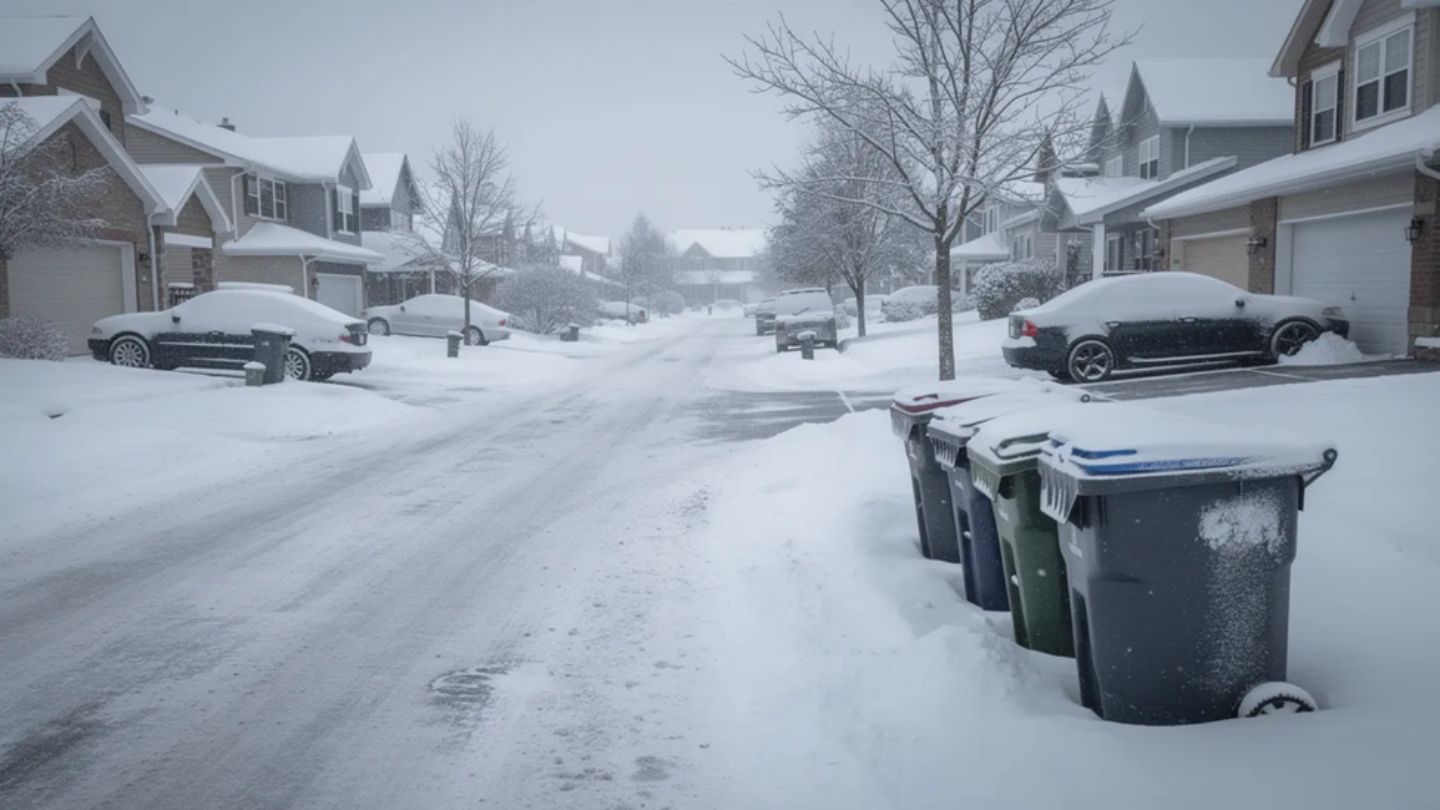
Winter brings unique challenges that affect how household waste is stored, handled, and collected. Freezing temperatures, snow, and ice can quickly turn routine trash disposal into a logistical issue. Containers freeze shut, pickup schedules shift, and safety becomes a bigger concern. Small adjustments during extreme cold can prevent missed collections and unnecessary mess. In this blog, you’ll find practical guidance for managing trash efficiently during the coldest weeks of the year.
Key Takeaways
- January and February bring the harshest winter weather in many regions, creating unique challenges for waste management: frozen trash, buried bins, and hazardous walkways require proactive planning.
- Prioritize safe access first, clear snow and ice around bins before every collection day, not just after major storms.
- Bin placement, protecting lids from snow and ice, and reducing overall waste volume are the three most effective strategies for reliable winter waste collection.
- Keep liquids, electronics, and chemicals out of regular trash during deep freezes to prevent leaks, equipment damage, or contamination.
- Maintain effective communication with your hauler through alerts and notifications, and coordinate with neighbors during schedule changes or storm delays.
Understanding Winter’s Coldest-Month Trash Challenges
The coldest month of the year creates conditions that push winter waste management systems to their limits. Sub-zero nights, wind chills that plunge temperatures to dangerous levels, and repeated freeze-thaw cycles don’t just make life uncomfortable. They fundamentally change how trash, recycling, and compost behave at the curb and in collection vehicles.
Consider what happens during a January cold snap in North Georgia, like Canton or Marietta: overnight temperatures can drop below freezing, causing moisture from food waste to freeze and stick to the inside of the bin. When roads are slick or neighborhoods aren’t fully cleared after ice or snow, waste collection schedules may shift, leaving households with extra bags and limited space until service resumes.
The main problems during the coldest month include frozen lids and liners that refuse to open or release their contents, compacted or stuck bags that tear when forced, buried or blown-over carts that crews cannot locate or access, brittle plastic bins cracking in extreme cold weather, and increased waste volume from holiday season cleanouts and New Year home projects. Waste haulers may alter routes, cancel pickups entirely, or limit what they accept during extreme cold or blizzards, not out of negligence, but because safety concerns for employees and equipment make normal operations impossible. Understanding these unique challenges is the first step toward handling waste effectively when temperatures drop.
Keep Bins Accessible and Visible in Snow and Ice
During the coldest month, many missed pickups have nothing to do with your hauler’s reliability; they result from simple inaccessibility. When trucks cannot reach containers, collection doesn’t happen. Your responsibility is to ensure crews can safely access your bins every pickup day, which becomes easier when routines align with preparing for your trash pickup day during winter conditions.
Here’s how to maintain proper accessibility:
- Shovel a full-width path (wide enough for a person and a wheeled cart) from your door or garage to the curb the evening before pickup. Pay extra attention after late-January storms when snow accumulation can be heaviest.
- Place bins at the end of your driveway on stable, level ground, not on top of snowbanks where they can tip, slide, or freeze inside overnight. Maintain at least 1-2 feet of clearance from parked cars, mailboxes, or other obstacles so truck arms can operate freely.
- When snowbanks reach 3-4 feet, consider using reflective markers, tall stakes, or small driveway flags beside your bins. Collection often occurs in dark, early-morning hours during the winter months, and drivers need to see where containers are located.
- Keep your lid closed and facing the street. This positioning allows automated arms to grip properly and prevents snow from filling the bin interior overnight.
- Position bins so they won’t slide into the road if ice forms on the ground overnight. A stable, strategic placement on cleared pavement protects both your containers and passing vehicles.
Prevent Bins and Trash from Freezing Solid
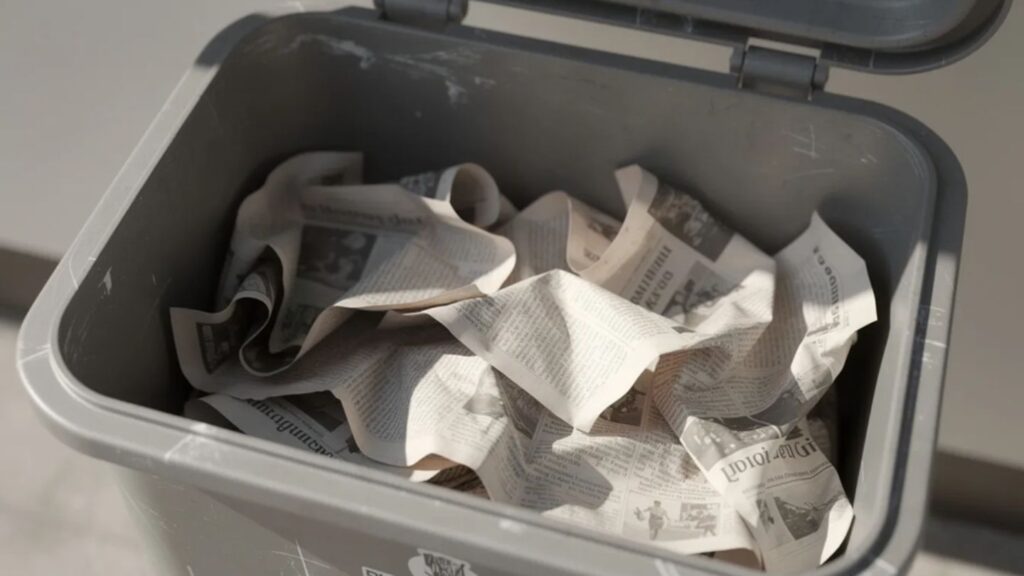
When temperatures remain below 20°F (-6°C) for multiple consecutive nights, common in the coldest month, liquids and wet waste freeze to bin walls and to each other. This creates solid blocks that collection equipment cannot empty, leading to missed pickups and frustrated residents. Preventing ice buildup inside your containers requires a few simple adjustments to your routine.
- Line the bottom of trash and organics bins with a few sheets of newspaper, cardboard, or a flattened paper bag. This creates a barrier between wet waste and the plastic bin surface, making frozen trash easier to dislodge.
- Double-bag particularly wet kitchen waste, pet waste, or anything with high moisture content during the coldest weeks. Use strong bags tied securely to reduce leakage and prevent freezing onto bin surfaces.
- Drain liquids before they go outside. Empty beverage containers, pour out soups and sauces, and let melted ice evaporate before bagging. Never place paint, chemicals, or motor oil in household trash; these belong at designated collection points.
- Store bins in a sheltered area when possible, an attached garage, covered carport, or along a south-facing wall, overnight before collection. Even a few degrees of temperature moderation can prevent extreme freezing.
- Before pickup, gently tap the sides of your bin with a gloved hand or rubber mallet to loosen frozen bags. Avoid hitting so hard that brittle plastic cracks; in severe weather, HDPE containers become more vulnerable to impact damage.
- Consider sprinkling a thin layer of non-clumping cat litter or eco-friendly salt at the bin bottom. These absorb moisture and lower the freezing point of any liquid in direct contact, helping prevent ice buildup.
Minimize Waste Volume During the Coldest Month
Post-holiday decluttering and early-year home projects typically peak in January, creating a surge in waste volume precisely when harsh weather limits collection capacity. Managing what goes to the curb, and when, helps you stay within normal pickup limits and reduces the strain on an already-challenged system, particularly after choosing a residential garbage service that fits winter volume needs.
The goal is to spread out disposal over multiple weeks rather than overwhelming bins during a single freezing-week pickup. Here are practical solutions for reducing your curbside footprint:
- Break down cardboard boxes completely. Flatten them, remove tape and labels, and nest boxes inside each other to maximize space. Crushed and flattened materials take up far less room than intact packaging.
- Crush plastic bottles and flatten metal cans before placing them in recycling containers. Every inch of saved space matters when the collection may be delayed.
- Set up clear indoor sorting stations, one for trash, one for recycling, one for donations, and one for e-waste. By the time items reach the curb, they’re already separated and more compact.
- Take still-usable items (coats, small appliances, toys, household goods) to local donation centers and thrift stores during January instead of sending them to the landfill, especially when managing waste responsibly during home renovations overlaps with post-holiday cleanouts. This helps reduce landfill contributions during a month when collection is most strained.
- Avoid putting bulky items out during severe weather unless you’ve confirmed with your hauler that bulk collection is operating normally. Spreading large cleanouts over multiple weeks prevents curb congestion.
- Check with your local waste authority for temporary winter volume rules; some jurisdictions limit extra bags, require special appointments for bulk items, or suspend certain services during January and February.
Safe Snow and Ice Management Around Trash Areas
Falls, back injuries, and vehicle accidents increase during late-winter ice conditions, for both residents hauling bins to the curb and collection workers navigating icy roads and driveways. Keeping trash areas safe protects everyone involved in the waste collection process.
- Clear not just a narrow footprint for each bin, but an entire flat pad at the curb or alley where containers can stand upright without tilting or sliding. Workers need a stable ground to operate safely.
- Apply sand, gravel, or pet-safe ice melt around bin areas and on driveways leading to the curb. Do this the evening before pickup, especially when thaw-refreeze cycles are likely overnight.
- Never pile snow directly in front of or behind bins. This forces collection employees to climb snowbanks or step into the street on ice to reach containers, a significant safety hazard.
- Move cars off the street (where possible) on collection mornings after heavy snowfall. Trucks need line-of-sight and enough room to maneuver safely, especially when icy roads narrow travel lanes.
- For multi-unit buildings, property managers should schedule regular clearing of communal dumpster pads and steps. Install or check lighting for dark winter mornings when collection typically occurs.
- Stay warm and stay safe yourself. Wear appropriate footwear with good traction, take your time moving bins across snowy conditions, and ask for help if needed. No pickup is worth a serious injury.
Communicate with Haulers and Neighbors During Extreme Cold
In the coldest month, service interruptions and rescheduling are common realities. Blizzards, dangerous wind chills, and equipment breakdowns can delay or cancel routes without warning. Effective communication with your hauler and coordination with neighbors keep everyone informed and reduce frustration, especially after setting up trash service at your new home and navigating your first winter season.
- Sign up for your hauler’s alerts: text messages, email notifications, or app updates. These alerts notify you immediately about delayed or skipped routes during January and February storms.
- After major snow events, check municipal or hauler websites to confirm updated pickup days. Look for temporary rules such as “no bulk items this week” or limited yard waste service during harsh weather.
- Coordinate with neighbors or fellow building residents. Align times to roll bins out and bring them back in quickly, or share a cleared path in alleyways serving multiple homes.
- Report truly inaccessible routes, blocked dead-end alleys, snowed-in communal dumpsters, to the city or property manager promptly. Don’t leave bins where trucks obviously cannot reach them.
- Label your bins clearly with your address or unit number. When containers blow over or get moved during heavy snow, clear labeling helps crews return them to the right location and ensures you receive proper service.
Handling Special and Hazardous Waste in Deep Winter
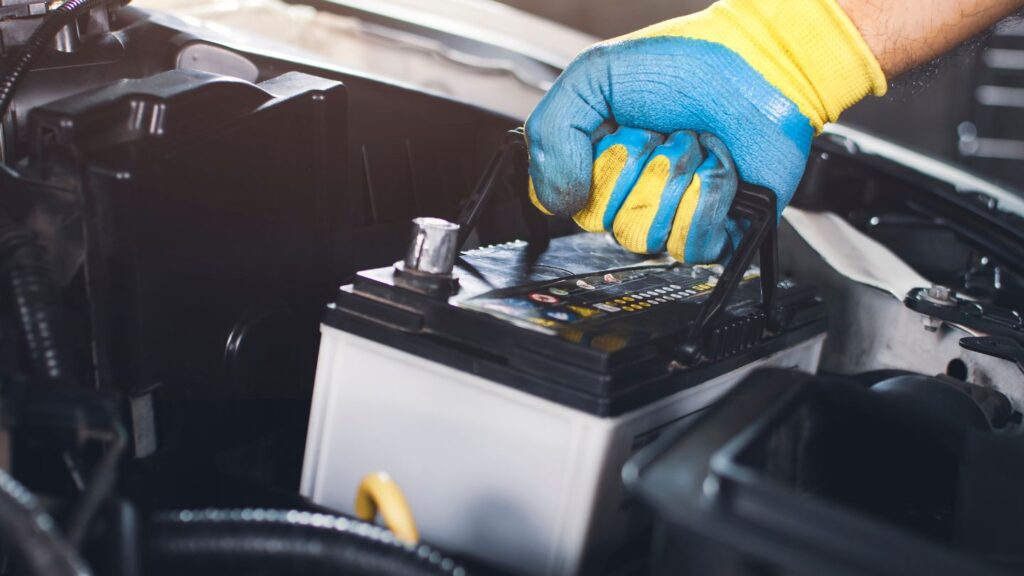
The coldest month often coincides with home projects, battery-heavy holiday gifts, and electronics upgrades, all of which generate hazardous and special waste streams that require careful handling. Freezing temperatures inside collection trucks can cause leaks, chemical reactions, or even fires when improper items are placed in regular trash.
Items that should never go into curbside waste:
- Lithium-ion batteries (from phones, laptops, power tools, holiday electronics)
- Old car batteries
- Fluorescent bulbs and CFLs
- Cleaning chemicals, solvents, and pesticides
- Paint and stains
- Motor oil, antifreeze, and automotive fluids
Safe storage and disposal practices:
- Store hazardous items in a cool, dry, inaccessible place indoors or in a non-freezing garage until the next local household hazardous waste drop-off day.
- Keep old electronics (phones, laptops, TVs, game consoles) in labeled boxes indoors during January. Take them to certified e-waste recyclers when the weather moderates or during scheduled winter collection events.
- Check your municipality for specific winter collection days; many communities host late January or early February special drop-offs for hazardous materials.
- Automotive fluids from winter car maintenance (oil changes, coolant flushes) must go to auto shops or municipal collection centers, never into curbside bins or storm drains.
These materials pose an environmental impact when improperly disposed of, and winter conditions only increase the risks. Proper handling protects workers, equipment, and your community.
Staying Prepared Through Winter Conditions
Managing trash during the coldest month comes down to preparation, flexibility, and safety. Small adjustments, like proper bin placement, preventing frozen waste, and planning for delays, help avoid missed pickups and damage. With the right approach, winter conditions become manageable rather than disruptive to routine household waste handling.
When cold weather complicates disposal, Red Oak Sanitation & Recycling provides waste pickup in Canton with dependable support designed for winter conditions. Clear recycling habits, following local recycling guidelines, keeping recycling made easy, and coordinating dependable commercial service all play an important role in maintaining safe and consistent winter waste routines. We help customers stay on schedule with practical solutions, so you can focus on safety and convenience while we handle the logistics.
Frequently Asked Questions
What should I do if my trash is frozen to the bottom of the bin on collection day?
Gently tap the sides of the bin with a gloved hand or rubber mallet to loosen the frozen bag. Sliding a plastic shovel under the edges can help. Avoid force, which can crack cold plastic. If needed, thaw the bin indoors and wait for the next pickup.
Is it better to put bins out the night before or the morning of pickup during extreme cold?
Morning placement is often safer during extreme cold because bins spend less time exposed to freezing temperatures, wind, and snowfall. This reduces tipping and frozen lids. Always follow local rules and consider snowplow schedules so bins aren’t buried or damaged overnight.
Can I leave my bin at the curb all winter so I don’t have to drag it through snow?
Leaving bins at the curb all winter is usually not allowed and increases damage risk from plows, vehicles, and wind. Constant exposure to temperature swings can crack plastic and freeze lids. Store bins near your home and keep a cleared path for collection days.
How do I manage compost or food scraps during the coldest weeks without creating smells indoors?
Use a small sealed container indoors and empty it often into a lined outdoor bin. Freezing temperatures slow odor outdoors. For short-term indoor storage, freezing food scraps in sealed bags works well and prevents smells until collection day.
What if my scheduled pickup is missed because of a blizzard or extreme wind chill?
Check official service alerts for rescheduled pickup dates as soon as possible. Keep bins accessible but safely placed until collection resumes. Slow bulky disposals to avoid overflow. For extended delays, see if temporary drop-off or transfer station options are available.