
Renovating your home can lead to a significant amount of waste. Knowing how to manage waste responsibly during home renovations is vital for minimizing environmental impact and staying compliant with regulations. In this blog, you’ll learn how to identify different types of renovation waste, plan for effective waste management, and explore eco-friendly disposal methods.
Key Takeaways
- Home renovations generate various types of waste: construction debris, hazardous materials, and recyclables, each requiring specific management strategies.
- Effective waste management planning, including estimating waste volume and adhering to local regulations, is essential to minimize costs and environmental impact.
- Utilizing eco-friendly disposal methods such as recycling, donating usable materials, and proper hazardous waste management fosters sustainability and reduces landfill contributions.
Identifying Types of Renovation Waste
During home renovations, waste generation is inevitable. The types of waste can be broadly categorized into construction debris, hazardous materials, and recyclable materials. Each category requires a different approach to waste management.
Grasping these categories enables effective and responsible disposal and helps to dispose of waste properly. Knowing the types of hazardous waste and adhering to local regulations ensures safe and compliant disposal while reinforcing the importance of responsible waste disposal during renovation work.
Construction Debris
Construction debris is a significant part of renovation waste, including materials like drywall, lumber, concrete, and metal. Improper disposal can result in fines and environmental harm. Before embarking on your renovation project, make a plan for handling construction waste, considering reuse, recycling, or special disposal options. Some municipalities offer special drop-off days for construction waste, making it easier to manage.
Options for handling construction waste include:
- Renting a construction dumpster, which suits larger projects
- Using a junk removal service, which efficiently handles smaller projects
- Taking materials to recycling centers, which accept various construction materials for responsible disposal
Hazardous Materials
Special care is needed when handling hazardous materials like lead-based paint and asbestos. These substances pose significant health risks and must not be disposed of with regular waste.
Knowing the types of hazardous waste and adhering to local regulations ensures safe and compliant disposal.
Recyclable Materials
Recyclable materials such as:
- Wood scraps
- Drywall
- Metals
- Glass
Certain plastics can significantly reduce the environmental impact of your renovation. Recycling these recycled materials not only reduces landfill waste but also offers cost savings and promotes sustainability through various recycling options.
Planning for Responsible Waste Management
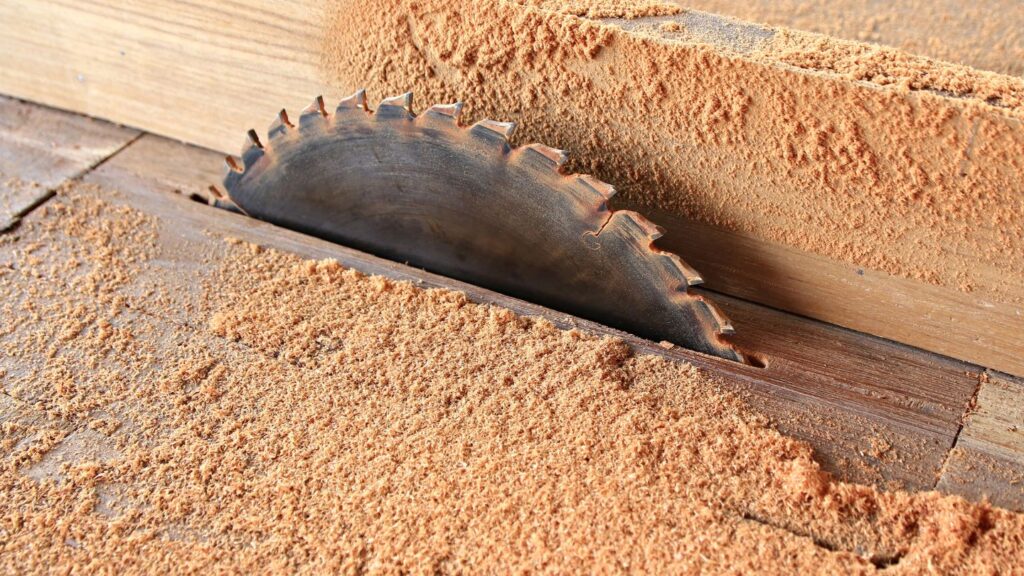
Effective planning is the cornerstone of responsible waste management. A critical step is that a lack of planning can lead to unnecessary waste, frustration, and increased costs during renovations.
Classifying renovation waste into recyclable, repurposable, and landfill materials streamlines the disposal process and minimizes your environmental footprint.
Estimating Waste Volume
Accurately estimating the amount of waste generated during renovations is crucial. Even minor renovations can produce significant debris. Consulting a contractor or dumpster rental company helps estimate waste volume, ensuring appropriate disposal solutions.
Having some extra space in your dumpster is preferable to running out and incurring additional costs.
Understanding Local Regulations
Following local waste management regulations avoids fines and ensures safe disposal to prevent legal penalties. Not all construction debris can be disposed of in regular trash; specific disposal methods are often mandated.
Check with your local waste management authority to understand the guidelines and ensure compliance, especially since many communities coordinate renovation-related waste handling through a dependable residential garbage service.
Selecting the Right Disposal Service
Selecting a waste removal service with a solid environmental record guarantees responsible disposal practices. Assess the company’s track record, environmental compliance, and disposal methods to find a reliable partner.
Renting a dumpster early and scheduling pickups streamlines the dumpster’s waste management process.
Eco-Friendly Disposal Methods
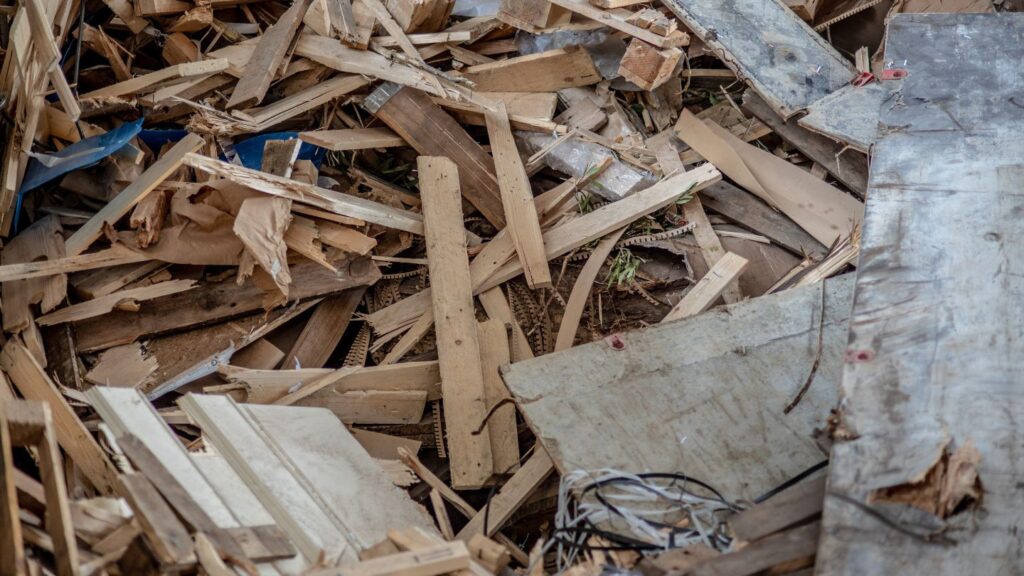
Eco-friendly disposal methods not only reduce landfill waste but also support environmental conservation. Homeowners can contribute to a sustainable future by recycling, repurposing, and responsibly disposing of renovation materials.
Recycling Centers
Local recycling centers are vital in managing renovation waste and often complement the processes homeowners already follow when setting up trash service for regular household disposal needs. They specialize in recycling construction materials, significantly reducing landfill waste. Many construction materials can be recycled, making it easier to manage renovation debris responsibly through a local waste management service.
Donating Usable Materials
Donating usable materials helps local charities and promotes sustainability by keeping items out of landfills. Organizations like Habitat for Humanity’s ReStore accept building materials such as tile, bricks, and lumber, ensuring they are put to good use. If you wish to donate usable materials, consider reaching out to these organizations.
Repurposing Renovation Debris
Repurposing renovation debris reduces waste and adds unique touches to your home renovation projects. Creative ideas like using reused old wood for furniture or decor contribute to environmental conservation by reusing materials and reducing the need for new materials.
Safe Handling and Disposal of Hazardous Waste
Safe handling and disposal of hazardous waste are essential to protect human health and the environment. Proper labeling, storage, and disposal practices ensure the safety of workers and the public.
Proper Storage
Storing hazardous materials in designated areas close to their generation points minimizes risks. Incompatible hazardous wastes should be stored separately to prevent dangerous reactions.
Regular monitoring of storage conditions ensures these packaging materials remain safely contained, which mirrors the precautions required when managing sensitive materials such as biomedical waste in residential settings.
Disposal Options
Hazardous waste must be disposed of according to local regulations to avoid environmental pollution and health risks. Contact local hazardous waste disposal programs for proper disposal options and consider hiring professional waste removal services for safe and environmentally friendly management.
Avoiding Common Waste Management Mistakes
Many homeowners experience significant waste due to inadequate planning at the start of renovation projects. Estimating waste volume and assessing the scope of the project can help identify potential waste reduction strategies.
Overordering Materials
Overordering materials can lead to unusable leftovers that often cannot be returned. Double-check measurements before ordering to avoid excess waste. Double-check measurements before ordering to avoid excess waste, just as mindful disposal habits are encouraged when dealing with outdoor debris like grass clippings and garden waste.
Partner with suppliers who accept returns to minimize material wastage.
Improper Storage
Improper storage can damage materials, leading to unnecessary waste. Proper storage is essential to prevent damage and minimize waste during home renovations.
Last-Minute Waste Removal Planning
Failing to schedule waste removal in advance can result in last-minute reliance on costly junk removal services. Regularly scheduling waste removal maintains cleanliness, meets waste reduction targets, and enhances safety.
Rapid disposal solutions from junk removal services can minimize downtime on renovation projects.
Ensuring Safety During Waste Disposal
Ensuring safety during waste disposal is critical to protect individuals and the environment. Using protective gear and following safe disposal practices helps mitigate risks associated with renovation waste.
Using Protective Gear
Personal protective equipment, such as gloves, masks, and goggles, is crucial for preventing injuries and health hazards. Eye protection and durable clothing further ensure safety during renovations.
Safe Disposal Practices
Adhering to waste regulations and proper handling prevents accidents, pollution, and legal liabilities. Minimizing dust generation during renovations can significantly reduce health risks associated with hazardous materials.
Smart Renovations Start With Responsible Waste Handling
Managing waste responsibly during home renovations is essential for keeping your project safe, efficient, and environmentally friendly. By sorting materials properly, recycling whenever possible, and planning disposal ahead of time, homeowners can reduce clutter, minimize disruptions, and prevent unnecessary hazards throughout the renovation process. A well-organized waste strategy not only keeps the job site cleaner but also supports a smoother renovation from start to finish.
For reliable support throughout your renovation, Red Oak Sanitation & Recycling provides dependable solutions designed to simplify cleanup and streamline debris disposal. With our efficient trash service in Marietta, we help homeowners stay organized, compliant, and stress-free while transforming their spaces. We also support recycling, follow recycling guidelines, provide waste collection and yard waste solutions, and offer trash pickup in Cherokee County and Atlanta. Let us handle the waste so you can stay focused on bringing your renovation vision to life. Reach out today to experience a more efficient and responsible approach to renovation cleanup.
Frequently Asked Questions
What types of waste are generated during home renovations?
Home renovations generate construction debris, hazardous materials, and recyclable materials. It is essential to manage these wastes properly to ensure safety and environmental compliance.
How can I estimate the amount of waste my renovation will produce?
To effectively estimate the amount of waste your renovation will produce, consult with a contractor or a dumpster rental company. They can provide a precise assessment based on the materials involved and the scale of your project.
Why is it important to follow local waste management regulations?
Following local waste management regulations is crucial as it ensures safe disposal practices, prevents legal penalties, and safeguards the environment. Compliance contributes to a healthier community and responsible resource management.
What are some eco-friendly disposal methods for renovation waste?
Recycling materials at local centers, donating usable items to charities, and repurposing debris into new home features are effective, eco-friendly disposal methods for renovation waste. These practices not only reduce landfill impact but also promote sustainability in your community.
How can I safely handle and dispose of hazardous materials during renovations?
To safely handle and dispose of hazardous materials during renovations, it is essential to store these materials properly and adhere to local disposal guidelines. Consider hiring professional waste removal services to ensure safe management of hazardous waste.