Handling household waste the right way can make a noticeable difference in keeping your home clean and hassle-free. Small mistakes, like overfilled bags, loose lids, or poor sorting, often lead to spills, leaks, and unpleasant odors. With a few simple habits, you can streamline the entire process and avoid unnecessary messes. Choosing the proper supplies and following consistent routines will help maintain a tidier environment. In this blog, you’ll learn how to manage and take out your trash properly without creating a mess.
Key Takeaways
- Choosing the right trash bags and securing them properly is essential to prevent spills and maintain a clean environment.
- Sorting and separating waste into recyclables, compostables, and general trash significantly enhances waste management and promotes recycling efforts.
- Understanding local regulations and utilizing transfer stations optimizes waste disposal, ensuring compliance and minimizing environmental impact.
Preparing Your Trash Bags
The journey to efficient waste disposal starts with the humble trash bag. Choosing the right trash bags, securing them properly, and avoiding overfilling ensures a hassle-free, easy disposal process, especially when considering dumpster rental. When you’re ready to toss your trash into the trash bin, make sure to follow these guidelines.
Learn how to select the best trash bags, secure them to prevent spills, and avoid overfilling to maintain a clean and odor-free household.
Choosing the Right Trash Bags
Choosing the appropriate trash bags plays a key role in effective waste management. Consider the following:
- The size of your trash can and the type of waste you generate.
- Opt for sturdy, tear-resistant bags that can handle heavier or sharp items without breaking.
- Garbage bags come in various sizes to match the capacity of your trash can, ensuring a proper fit for optimal waste management.
- Choose trash bags with features like odor control and drawstring closures to enhance convenience and keep unpleasant smells at bay.
Choose trash bags with features like odor control and drawstring closures to enhance convenience and keep unpleasant smells at bay, supporting responsible waste disposal practices. The thickness of the trash bag is important for different types of waste. Thicker bags are better suited for heavier waste, while thinner bags can be used for lighter, regular trash. This ensures that your garbage is contained securely, preventing leaks and spills during disposal.
Properly Securing Trash Bags
Properly securing trash bags helps avoid spills and contains odors. Here are some tips to do it effectively:
- Always tie your trash bags securely using a single knot or twist ties if available.
- Double bagging can be a lifesaver when dealing with damaged bags, as it prevents leaks during disposal.
- Before taking out the trash, check for any holes in the bag to ensure it is intact.
Using drawstring or tie-handled bags simplifies the process of closing and transporting trash bags. Before taking out the trash, check for any holes in the bag to ensure it is intact, aligning with recognized trash pick-up dos and don’ts. For large loads, heavy-duty trash bags reduce the risk of tearing during disposal. Additionally, plastic clips or clamps can provide extra security, ensuring that your trash bags remain sealed during transport.
Avoiding Overfilling
To prevent rips and leaks when using trash bags:
- Avoid overfilling your trash bags.
- Always leave some space at the top of the trash bag when filling it to allow for secure tying and reduce the risk of spills.
- Remember that overfilled trash bags can be difficult to lift and transport, leading to potential messes and hazards.
Regularly monitoring the contents of your trash bags helps in managing waste effectively and prevents overfilling. Leaving adequate space at the top allows for secure tying, making disposal cleaner and more efficient.
Sorting and Separating Waste
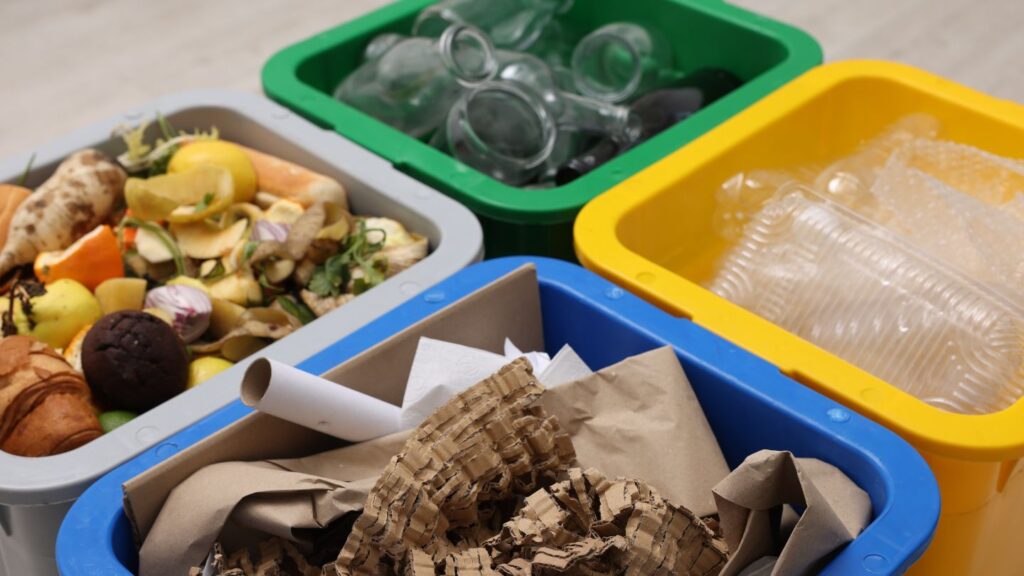
Properly sorting and separating waste is a key step in efficient waste management. Categorizing waste into recyclables, compostables, and general trash enhances recycling efforts and ensures proper disposal.
Learn about using multiple bins, identifying recyclables, and composting organic waste to minimize environmental impact with a compost bin.
Using Multiple Bins
Using multiple bins effectively separates organic, recyclable, and non-recyclable waste, improving waste management. Different types of garbage bags are tailored for specific waste types:
- Compostable bags
- Biodegradable bags
- Heavy-duty bags
Using the appropriate trash bag for each bin ensures sturdy containment and reduces the chances of leaks or spills. Multiple bins simplify clean-ups and significantly increase recycling rates and proper waste disposal, especially when used alongside efficient local trash pickup services. Multiple bins simplify clean-ups and significantly increase recycling rates and proper waste disposal. This approach helps in managing household waste more efficiently and contributes to a cleaner environment with a recycling bin.
Identifying Recyclables
Identifying recyclables is key to effective waste disposal. Important points include:
- Glass, plastics, and paper are commonly recyclable materials.
- Types of plastics widely accepted in recycling are types 1 and 2.
- Rinsing and cleaning food containers before recycling is crucial to prevent contamination.
- Contamination in recyclables can ruin entire batches of recycling, so it’s important to sort recyclables properly.
If you’re unsure whether an item is recyclable, contact your local recycling center for guidance. This ensures that all recyclables are processed correctly, minimizing the environmental impact of your waste.
Composting Organic Waste
Composting organic waste reduces household waste and creates natural fertilizer. You can compost food scraps and yard waste. Biodegradable materials can also be included in composting. Ideal composting materials include vegetable scraps, coffee grounds, and yard trimmings for best results. Excluding meat and dairy from compost prevents odor and pest issues.
Food waste like vegetable peelings and coffee grounds, along with kitchen waste, can be effectively composted to create nutrient-rich soil for your garden. Composting not only reduces the amount of waste going to landfills but also enriches the soil, promoting a healthier environment.
Handling Hazardous Materials
Special care is needed when handling hazardous materials and sharp objects to prevent risks to people and the environment. Properly dispose of household products containing hazardous materials to avoid contamination and ensure they are properly disposed of.
Learn how to store hazardous waste safely and find local disposal options for these materials.
Storing Hazardous Waste
Safe storage of hazardous waste prevents environmental contamination and protects health. Hazardous waste should be kept in clearly labeled containers to prevent accidental exposure or contamination. Store hazardous materials away from food, water, and children for safe storage. Hazardous waste should be kept in clearly labeled containers to prevent accidental exposure or contamination, following guidelines similar to those for storing and disposing of paint properly without harming the environment.
Never mix hazardous materials with regular trash. Properly stored and labeled hazardous waste can be disposed of safely, minimizing risks to your household or the environment.
Local Disposal Options
Proper disposal methods minimize the environmental impact of hazardous waste. Hazardous waste can be disposed of at collection events and permanent drop-off locations at recycling centers. Hazardous materials should be disposed of at the city’s or county’s household hazardous waste facility.
Residents can recycle e-waste through e-waste recyclers or electronics stores offering recycling services, just as safe handling is essential when disposing of biomedical waste. Choosing proper disposal methods is crucial to minimizing environmental impact and ensuring that hazardous materials are safely managed.
Efficient Curbside Pickup
Efficient curbside pickup ensures hassle-free waste collection. Learn about scheduling pickups, placing trash cans correctly, and handling special items for a smooth and efficient process.
Scheduling Pickups
Scheduling pickups according to your neighborhood’s trash pick-up schedule ensures timely waste disposal. Check the holiday schedule as it may alter regular pickup days.
Adhering to the schedule controls the disposal timeline, ensuring efficient waste collection. Scheduling pickups according to your neighborhood’s trash pick-up schedule ensures timely waste disposal and reflects how local trash pickup services work.
Placing Trash Cans Correctly
Properly placing trash cans ensures easy access for sanitation trucks. Position trash cans and Pink Bags in clear areas to avoid obstacles like mailboxes, hydrants, vehicles, and power boxes. Ensure that items such as trees, low-hanging limbs, and grass areas are avoided to ensure clear access.
Always refer to local government guidelines for any additional requirements regarding curbside container placement. Following these guidelines ensures that your waste is collected without any issues, making the process smoother and more efficient.
Special Items Consideration
Special items like large appliances and furniture require specific disposal methods. Consider the following options:
- Curbside bulk collection
- Donating
- Using a trade-in program for appliances
- Junk removal services
Items not allowed in regular trash pickup include:
- Rocks
- Steel beams
- Concrete
- Bricks
- Paint
- Car parts
- Trees
- Large amounts of yard waste
- Hazardous materials
- Appliances
For large quantities of waste, take materials to transfer stations or landfills.
Cleaning and Maintaining Trash Cans
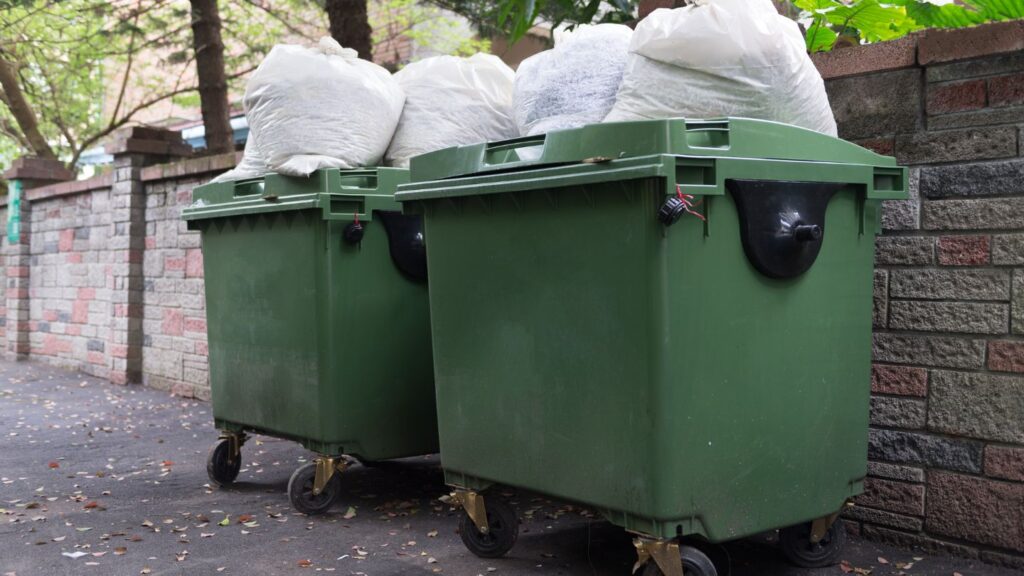
Regular cleaning and maintenance keep trash cans sanitary and prevent odors. Learn about the importance of a regular cleaning routine and tips for preventing animal access to your trash cans.
Regular Cleaning Routine
A regular cleaning routine is vital for keeping trash cans sanitary. Here are the recommended steps:
- Clean weekly, especially in high-traffic areas, to eliminate bacteria and odors.
- Use warm, soapy water or a gentle disinfectant for routine cleaning.
- After trash pickup, perform a thorough cleaning with a bleach and water solution to eliminate stubborn stains.
Thoroughly cleaning trash cans at least once a month ensures they remain in good condition and odor-free. This practice keeps your trash cans clean and prevents the spread of bacteria and pests, including those that might be found in metal cans.
Preventing Animal Access
Preventing animals from accessing your trash avoids messes and potential health hazards. Ensure bin lids are completely pushed down to deter animals. Secure trash can lids tightly after each use.
Bungee cords effectively secure trash can lids, reducing the likelihood of animals getting into the garbage. Bins with locking mechanisms can greatly deter animals from accessing trash, keeping waste covered and surroundings clean.
Reducing Waste Generation
Reducing waste generation minimizes your environmental impact. Learn about smart shopping habits and reusing and repurposing items to decrease waste production.
Smart Shopping Habits
Small shopping choices can lead to a significant reduction in household waste. These include:
- Bulk purchases, which reduce packaging waste.
- Local products, which also reduce packaging waste.
- Shopping from bulk bins, which significantly reduces packaging waste
Smart shopping habits reduce waste and save money. These small changes significantly impact the environment and your wallet, making it a good practice.
Reusing and Repurposing
Reusing and repurposing items minimizes waste and promotes a sustainable lifestyle. Donate old furniture to your local op shop or repurpose glass jars as food storage or flower vases. Creative reuse of household items reduces the need for new purchases and aids in waste management.
Reusing and repurposing items reduces landfill waste and contributes to a more sustainable environment. This approach promotes a circular economy by continually reusing recycled materials and reducing the demand for new resources.
Final Insights
Taking out the trash doesn’t have to be a messy or frustrating task. By choosing the right bags, securing them properly, sorting waste effectively, and maintaining a consistent routine, you can prevent spills, reduce odors, and keep your home cleaner. These simple practices not only improve convenience but also support better hygiene and a more organized household environment.
When you want dependable waste solutions to complement your clean-up habits, Red Oak Sanitation & Recycling delivers reliable, efficient service you can trust. With our streamlined trash service in Acworth, we help households maintain cleaner, safer, and more efficient waste routines year-round. We proudly offer residential and commercial service support, including trash pickup in Lawrenceville, Marietta, and Cobb County, to meet diverse waste management needs. Let us handle the heavy lifting so you can enjoy a tidier home. Reach out today to experience a smoother, mess-free trash management solution.
Frequently Asked Questions
What should I do if my trash bag has a hole?
If your trash bag has a hole, double-bag it by placing the damaged bag inside a new one to prevent leaks during disposal. This will ensure a cleaner and more hygienic handling of your waste.
How can I prevent animals from accessing my trash cans?
To effectively prevent animals from accessing your trash cans, always secure the lids tightly and consider using bungee cords or bins with locking mechanisms. This will greatly deter wildlife from rummaging through your trash.
What materials can I compost?
Composting can effectively include food scraps such as vegetable peelings and coffee grounds, as well as yard waste and other biodegradable materials. It is advisable to avoid adding meat or dairy products to minimize odor and pest complications.
How do I dispose of hazardous materials?
The proper disposal of hazardous materials involves taking them to hazardous waste collection events or permanent drop-off locations at recycling centers. It is also advisable to contact your local waste service for guidance on appropriate disposal options.
What should I do with large items that can’t be picked up during regular trash collection?
You should utilize curbside bulk collection services, donate the items, or take them to a transfer station or landfill for appropriate disposal. Make sure to check with your local waste management for specific guidelines.