Removing unwanted items can quickly become overwhelming when they’re bulky, heavy, or too large for regular trash collection. Furniture, renovation debris, and accumulated clutter often require specialized handling and proper disposal methods. Understanding how this process works helps homeowners and businesses plan cleanouts more efficiently. Knowing what happens after items are removed also clarifies where materials end up. In this blog, you’ll learn how junk hauling operates and what to expect from start to finish.
Key Takeaways
- Junk hauling is a paid service where a professional crew arrives with a truck, loads your unwanted items, and transports them for recycling, donation, or disposal, often the same day you call.
- Unlike regular trash pickup, junk hauling handles bulky, oversized, or specialized items that municipal garbage services won’t accept, including old furniture, appliances, construction debris, and yard waste.
- Modern junk removal companies prioritize eco-friendly practices, sorting loads to divert as much as possible from landfills through donation and recycling partnerships.
- Homeowners, renters, landlords, contractors, and businesses all use junk hauling services for moves, renovations, estate cleanouts, office clear-outs, and property turnovers.
What Is Junk Hauling?
Junk hauling is a professional service where trained crews load, transport, and responsibly dispose of unwanted items that are too large, heavy, or numerous for regular trash pickup. When municipal garbage services can’t accommodate your discarded items, whether it’s a worn-out sectional sofa, a broken refrigerator, or boxes upon boxes of general clutter, junk haulers step in to handle the entire process from start to finish.
Common junk categories include:
| Category | Examples |
| Old furniture | Sofas, recliners, dining sets, dressers, mattresses, box springs |
| Large appliances | Refrigerators, washing machines, dryers, stoves, dishwashers |
| Electronic waste | TVs, computers, monitors, printers, stereo systems |
| Yard debris | Tree branches, shrubs, storm debris, bagged leaves, fencing |
| Construction waste | Drywall pieces, lumber, tile, carpet, and old cabinets |
| General clutter | Boxes, toys, books, clothing, basement, and attic contents |
| Specialty items | Hot tubs, exercise equipment, playsets, and above-ground pools |
Professional junk hauling services typically deploy box trucks ranging from 10 to 20+ cubic yards, significantly larger than a standard pickup truck, along with trained crews equipped with proper lifting equipment. This distinguishes legitimate junk removal companies from the informal “guy with a truck” approach that was once common.
The core goals of junk hauling are straightforward: reclaiming usable space in your home or office, saving you time and physical effort, and ensuring proper disposal in compliance with local regulations. Modern junk haulers increasingly emphasize eco-friendly practices, working to divert a significant portion of collected materials from landfills through recycling and donations to local charities.
Junk Hauling vs. Regular Trash Pickup
Understanding the distinction between municipal trash services and junk hauling helps clarify when each option applies. City or county trash services handle everyday household garbage, the regular waste your family generates week to week. Junk haulers, by contrast, handle bulky items, excess volumes, and special materials that standard collection simply won’t accommodate.
Regular trash collection characteristics:
- Weekly pickup on a fixed schedule
- Standardized cart or bin size (typically 32–96 gallons)
- Strict limits on bulk items (often 1–2 per month, if any)
- Bans on electronics, tires, appliances containing refrigerants, and many large items
Also, Items must be placed curbside in approved containers for regular trash services, making preparing for your trash pickup day essential when deciding what qualifies for municipal collection versus hauling.
Junk hauling characteristics:
- On-demand scheduling, including same-day service in many markets
- No strict item count, remove an entire room’s worth in one visit
- Crews handle heavy lifting from anywhere on the property (attic, basement, backyard)
- Acceptance of heavy, awkward, or specialized items
- Sorting for recycling and donation is built into the service
Some municipalities do offer occasional “bulk pickup days,” but these come with limitations, perhaps one or two oversized items per quarter, with specific scheduling that may not align with your timeline. Junk hauling becomes the clear choice when those limits are exceeded or when you need flexibility. Situations where junk hauling is the better fit include whole-house declutter before a 2024 move, which is why junk removal before moving or renovating often becomes the first step in preparing a property.
Who Uses Junk Hauling Services?
Junk removal services serve a broad range of customers, from individual homeowners tackling weekend decluttering to commercial property managers handling multi-unit turnovers. Understanding these use cases helps illustrate the versatility of professional junk hauling.
Homeowners and Renters
Residential customers represent the largest share of junk removal work, especially after choosing a residential garbage service that may limit bulk or specialty item removal. Residential customers represent the largest share of junk removal work. Common scenarios include:
- Preparing to move and needing to reduce belongings
- Downsizing after children move out
- Cleaning out garages, basements, or attics that have accumulated years of items
- Clearing the aftermath from a 2023–2024 remodel
- Dealing with water damage that has ruined stored belongings
- Removing clutter to make life easier and reclaim living space
For homeowners with busy lives, junk haulers eliminate the need for multiple trips to landfills, recycling centers, and donation drop-offs, consolidating what could be a weekend-long project into a few hours.
Landlords and Property Managers
Property professionals rely on hauling services for rapid unit turnovers. When tenants leave belongings behind, whether after a standard move-out, eviction, or foreclosure, landlords need the space cleaned and ready for new occupants quickly. Property cleanouts and house cleanouts become routine operational needs rather than occasional headaches.
Businesses and Offices
Commercial junk removal addresses the needs of offices, retail spaces, and industrial facilities during relocations, renovations, or closures. Common items include:
- Desks, cubicles, and filing cabinets
- Outdated computers, monitors, and other junk electronics
- Retail fixtures and displays
- Warehouse inventory and packaging materials
- Conference room furniture and equipment
Commercial services often work during off-hours to minimize disruption and coordinate with building management on elevator reservations and loading dock access.
What Do Junk Haulers Take – And What Do They Not Take?
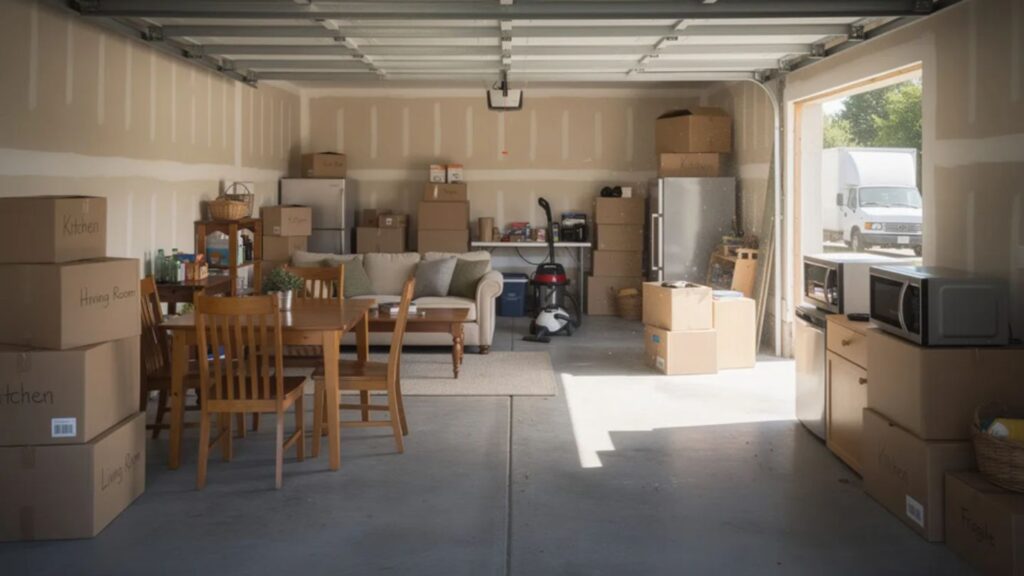
Most junk removal companies accept a remarkably wide range of items, but local safety and environmental regulations dictate what they cannot handle. Understanding these boundaries helps you prepare for your appointment and avoid surprises.
Commonly Accepted Items
| Category | Specific Examples |
| Furniture | Sofas, sectionals, recliners, dining tables, dressers, bed frames, and unwanted furniture of all types |
| Appliances | Refrigerators, freezers, washers, dryers, stoves, dishwashers, microwaves |
| Electronics | TVs, computers, monitors, printers (e-waste requires certified handling) |
| Yard waste | Tree branches, shrubs, bagged leaves, storm debris, and old fencing |
| Construction materials | Drywall pieces, tile, lumber, carpet, roofing materials |
| General household | Boxes, toys, books, clothing, household goods, reusable items |
| Outdoor items | Patio furniture, grills, lawn equipment, planters |
Many companies also handle bulky items like hot tubs, playsets, above-ground pool components, swing sets, and exercise equipment, though these often require advance notice and may carry additional fees due to dismantling requirements.
Items Typically Not Accepted
Professional junk haulers cannot accept hazardous materials due to legal restrictions and safety concerns. Improper disposal of these items can result in potential fines and environmental damage:
- Flammable liquids: Gasoline, kerosene, motor oil, paint thinner
- Chemicals: Pesticides, herbicides, pool chemicals, industrial solvents
- Certain paints: Particularly oil-based paints and stains
- Toxic materials: Asbestos-containing materials, lead paint debris
- Pressurized containers: Propane tanks, large compressed gas cylinders
- Medical waste: Sharps, pharmaceuticals, biohazardous materials
- Hazardous waste: Batteries (in bulk), mercury-containing items, CFLs
Local rules vary by city and state as of 2024, so always confirm accepted and restricted items when booking. Many municipalities operate hazardous waste drop-off programs for materials that junk haulers cannot legally transport.
Types of Junk Hauling Services
While “junk hauling” typically refers to full-service truck removal, many junk removal companies offer multiple service models to match different project needs and customer preferences.
Full-Service Truck Hauling
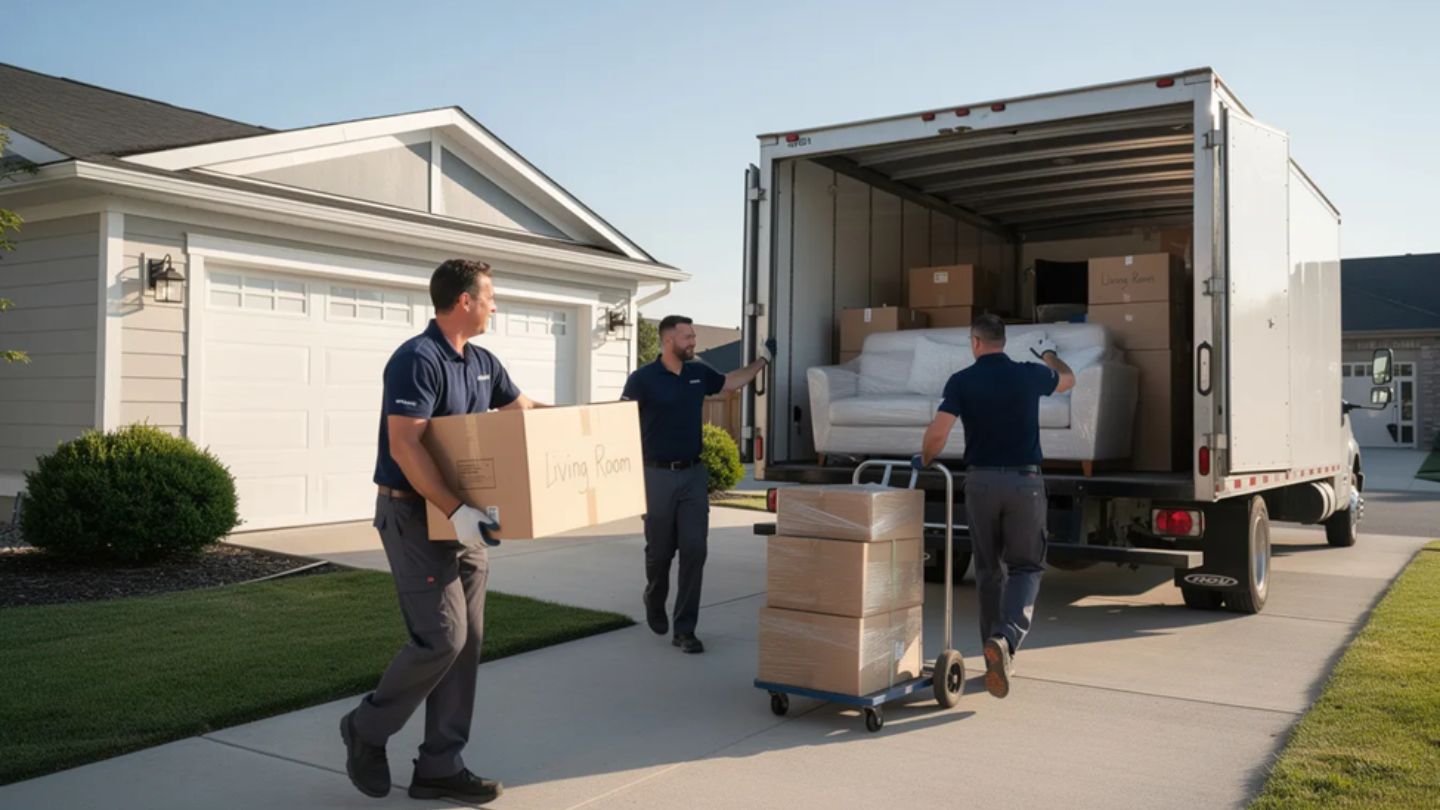
This is the most common service model. A professional junk team arrives in a company truck, provides an on-site assessment with a firm quote, loads everything from its current location, whether that’s an attic, basement, or backyard, and hauls it away immediately. The crew handles all the heavy lifting, and customers simply point to what goes.
Self-Service Dumpster Rental
With dumpster rental, a roll-off or driveway-safe container is delivered to your property for a set period, typically 3–7 days, though longer rentals are available. You fill it at your own pace over a few days, and the company returns to haul away the loaded container.
Common sizes include:
| Size | Typical Use |
| 10 cubic yards | Small cleanouts, single-room renovations |
| 15 cubic yards | Garage or basement decluttering |
| 20 cubic yards | Multi-room renovations, moderate construction projects |
| 30 cubic yards | Major renovations, whole-house cleanouts |
Specialized Services
Many junk removal experts offer specialized services for unique situations:
- Estate cleanouts: Comprehensive clearing after a bereavement, often requiring sensitivity and coordination with family members
- Hoarding cleanouts: High-volume removals requiring specialized approaches, additional labor, and sometimes coordination with social services
- Foreclosure cleanouts: Rapid property clearing for banks and property managers
- Commercial office cleanouts: Systematic removal of furniture, fixtures, and equipment
- Recurring pickup: Scheduled services for property managers handling regular tenant turnovers
How Does Junk Hauling Work? Step-By-Step
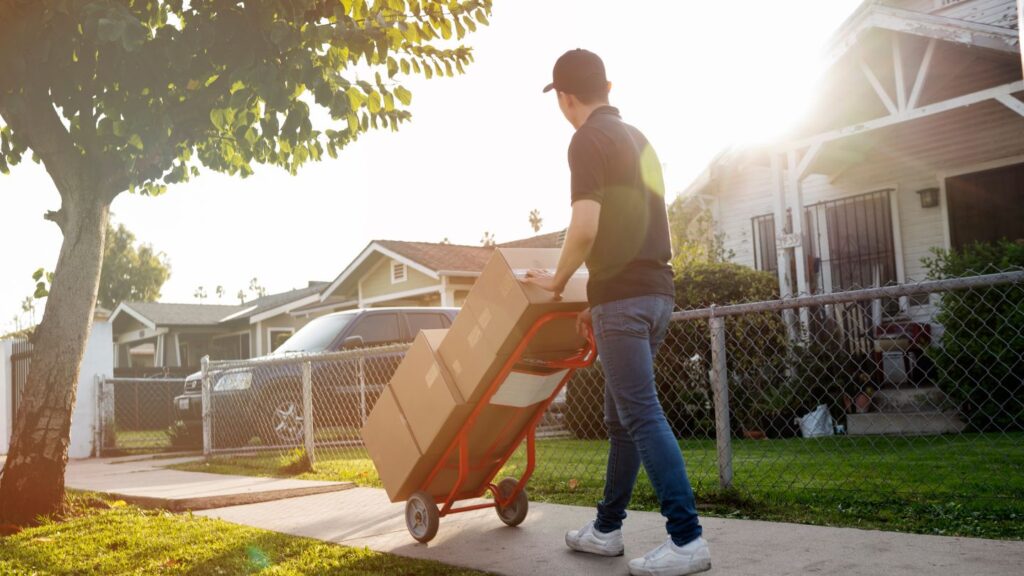
Understanding the entire process helps you know what to expect and how to prepare, particularly after setting up trash service at your new home and realizing which items exceed standard pickup limits. Here’s a chronological walkthrough from initial contact to final cleanup.
Step 1: Initial Contact and Estimate
The process begins when you contact a junk removal company via phone, website, or app. You’ll describe your items, their approximate volume, and location. Many companies encourage customers to send photos for a preliminary price range. This helps both parties set expectations before the truck arrives.
In busy metro areas, same-day or next-day appointments are often available. A free estimate is typically provided either remotely (based on photos and description) or on-site before any work begins.
Step 2: Scheduling
Once you’ve received preliminary pricing information, you’ll select a date and arrival window, typically a 2–3 hour window. Most companies call or text 15–30 minutes before arrival, allowing you to prepare for the crew.
Step 3: On-Site Assessment
The crew inspects your items in person, measuring how much volume they’ll occupy in the truck, often expressed as fractions (quarter truck, half truck, full truck) or cubic yards. They provide a firm, no-obligation quote before any loading begins.
This step protects both parties: you know exactly what you’ll pay, and the crew confirms they can handle everything you need removed.
Step 4: Approval and Preparation
Once you approve the pricing, the crew prepares for efficient removal. This includes:
- Planning safe paths through the property
- Protecting walls, doorframes, and floors where needed
- Confirming which items stay and which go
- Positioning the truck for optimal loading
Step 5: Loading and Sorting
This is where the crew does all the heavy lifting. Junk removers remove items from wherever they’re located, the attic, the basement, the backyard, the office space, and load them into the truck. Professional crews use:
- Dollies and hand trucks for heavy items
- Moving straps for awkward or large pieces
- Sliders to protect the flooring
- Proper lifting techniques to prevent injury
As they load, experienced crews separate recyclables, donations, and trash, a key differentiator from simply dumping everything at a landfill.
Step 6: Transport and Drop-Off
After loading, the team transports items to the appropriate facilities:
- Recycling centers: Metals, cardboard, certain plastics
- Scrap yards: Steel, copper, aluminum
- Donation partners: Usable furniture and household goods to local charities and reuse centers
- E-waste facilities: Properly dispose of electronic waste through certified handlers
- Transfer stations or landfills: Materials that cannot be recycled or donated
Step 7: Cleanup and Payment
Reputable junk haulers leave the work area broom-clean, sweeping floors and tidying the space where items were removed. Payment is completed (card, cash, or digital), and receipts are provided, including donation receipts when available for tax records.
A Clear Picture of How Junk Hauling Works
Junk hauling simplifies the process of removing bulky, unwanted items by handling labor, transport, and proper disposal in one service. Knowing what to expect, from scheduling to pickup, helps homeowners and businesses plan cleanouts efficiently, avoid common surprises, and ensure materials are handled responsibly from start to finish.
When it’s time to clear space, Red Oak Sanitation & Recycling offers practical solutions, such as professional waste removal in Atlanta, designed around real needs. Reliable waste collection, recycling made easy, and consistent trash pick up in Lawrenceville, GA, all play a role in keeping cleanouts organized and stress-free. We help customers move forward with dependable service, so you can focus on the next step while we handle the heavy lifting.
Frequently Asked Questions
How far in advance should I book a junk hauling service?
In many areas, same-day or next-day appointments are available, particularly on weekdays. For weekends, large cleanouts, or end-of-month moves, scheduling three to seven days ahead is recommended. During peak moving season from late spring through early fall, booking earlier improves availability.
Do I need to move everything to the curb before the haulers arrive?
No, most full-service junk hauling companies remove items from anywhere on the property, including basements, attics, garages, and backyards. Curbside placement is not required unless the provider offers a discounted curbside-only option. Interior removal is typically included in standard service pricing.
Can junk haulers disconnect appliances or remove doors to get items out?
Crews usually handle unplugging basic appliances and removing interior doors to maneuver large items. Hard-wired appliances or anything involving gas, plumbing, or electrical connections generally require licensed professionals. Confirm item details when booking so the company can clarify what they are permitted to handle.
Will I get a donation receipt for items that can be reused?
Some hauling companies partner with local charities and may provide donation receipts for accepted items. This depends on item condition, charity guidelines, and local partnerships. If tax documentation is important, ask during scheduling whether donation receipts are available for your specific items.
Do I need to be home during junk hauling?
Most companies require an adult to be present to approve the final price and confirm which items are removed. This avoids misunderstandings. Some providers offer contactless service if items are staged outside and payment is arranged in advance, which can suit rentals or vacant properties.